AWS Pricing Is Not Transparent — It's Emergent Behavior
AWS publishes every price publicly, yet bills still surprise teams in 2026. Costs emerge from service interactions — now including Bedrock/AgentCore — not from any single rate card.
Tagged

AWS publishes every price publicly, yet bills still surprise teams in 2026. Costs emerge from service interactions — now including Bedrock/AgentCore — not from any single rate card.

S3 storage is still cheap in July 2026. Request storms, unmanaged versioning, CRR, Express One Zone, and S3 Tables compaction choices are what blow the bill — not GB-month alone.

The worst AWS bills still come from small systems with invisible failure modes. July 2026 refresh — SQS/Lambda retry storms, zombie resources, public AI endpoints, and Bedrock/AgentCore spend loops — plus the detection radar.

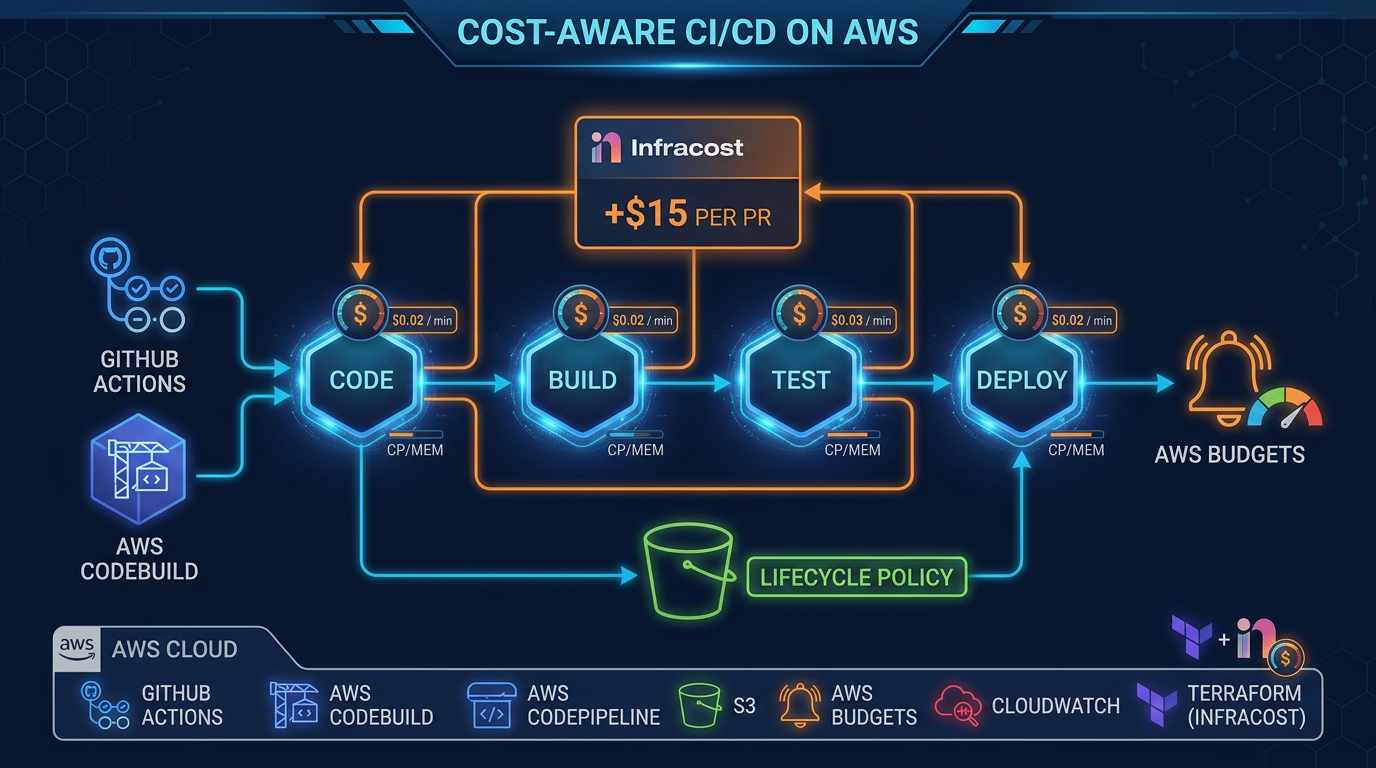
CI/CD infrastructure is invisible until your DevOps bill hits $15,000/month. Build minutes, artifact storage, and ephemeral environments accumulate costs that few teams track. Here is how to measure and control them.

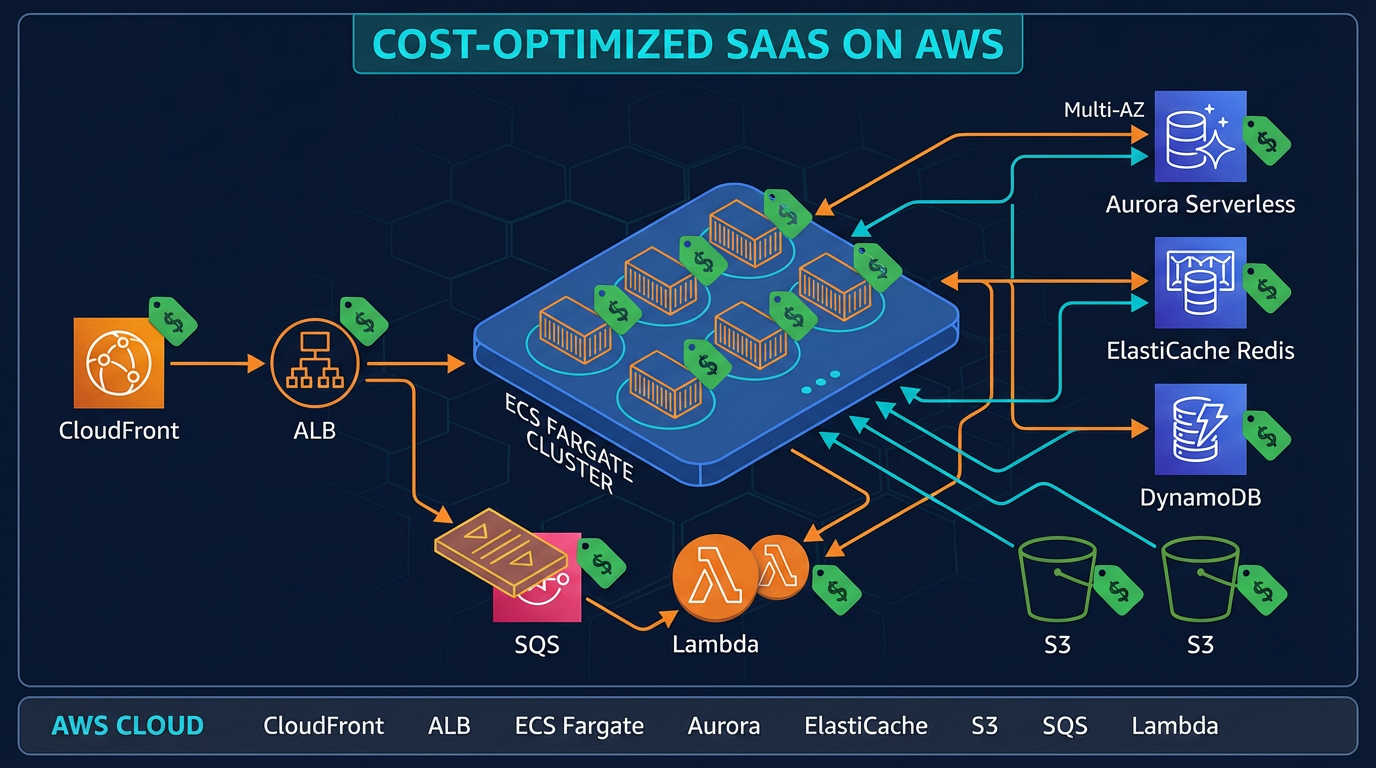
A B2B SaaS stack that costs $500/month at launch does not need to cost $50,000/month at 100,000 users if the architecture decisions at each stage are deliberate. This is the end-to-end reference architecture with real cost numbers.

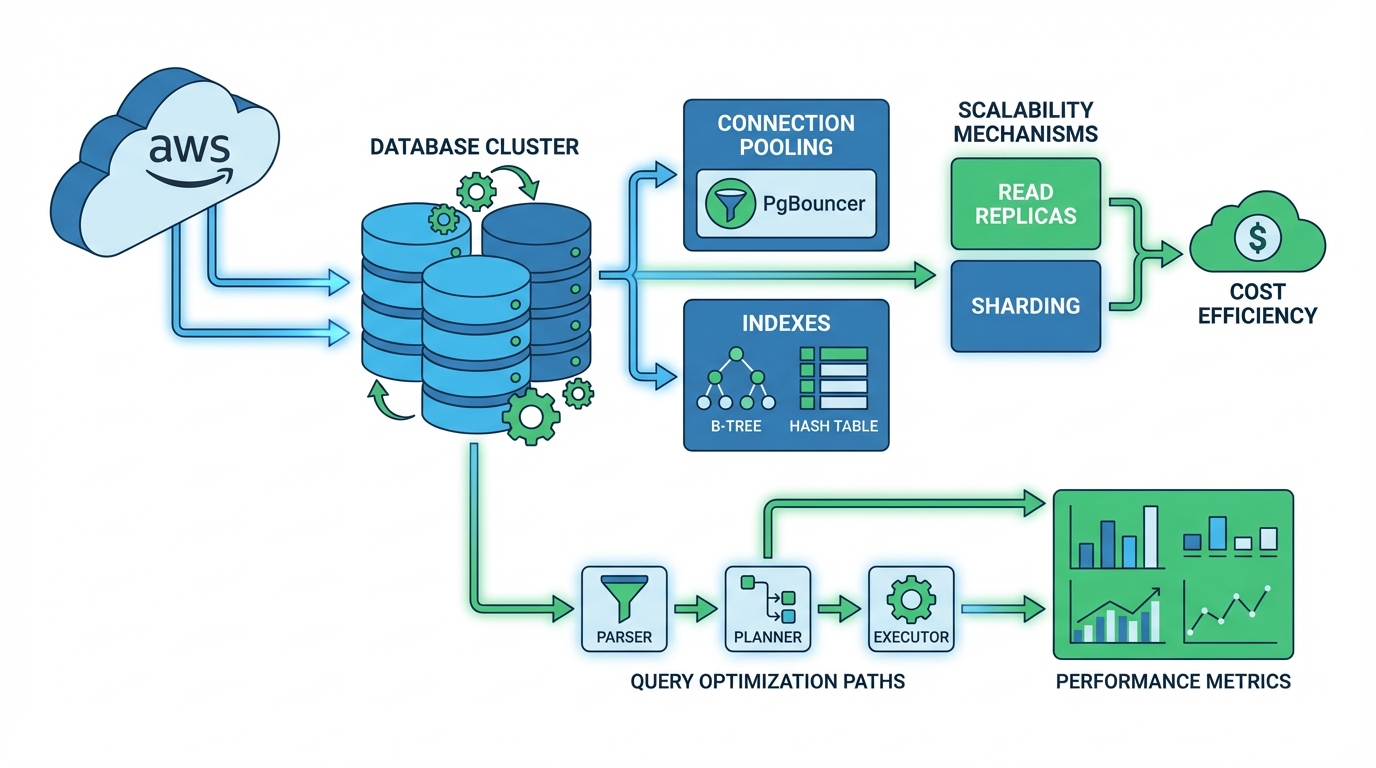
RDS, Aurora, and self-managed Postgres each have a cost breakeven point. This guide covers total cost of ownership, connection pooling with PgBouncer, indexing strategies, and the edge cases that turn Postgres into a billing surprise.

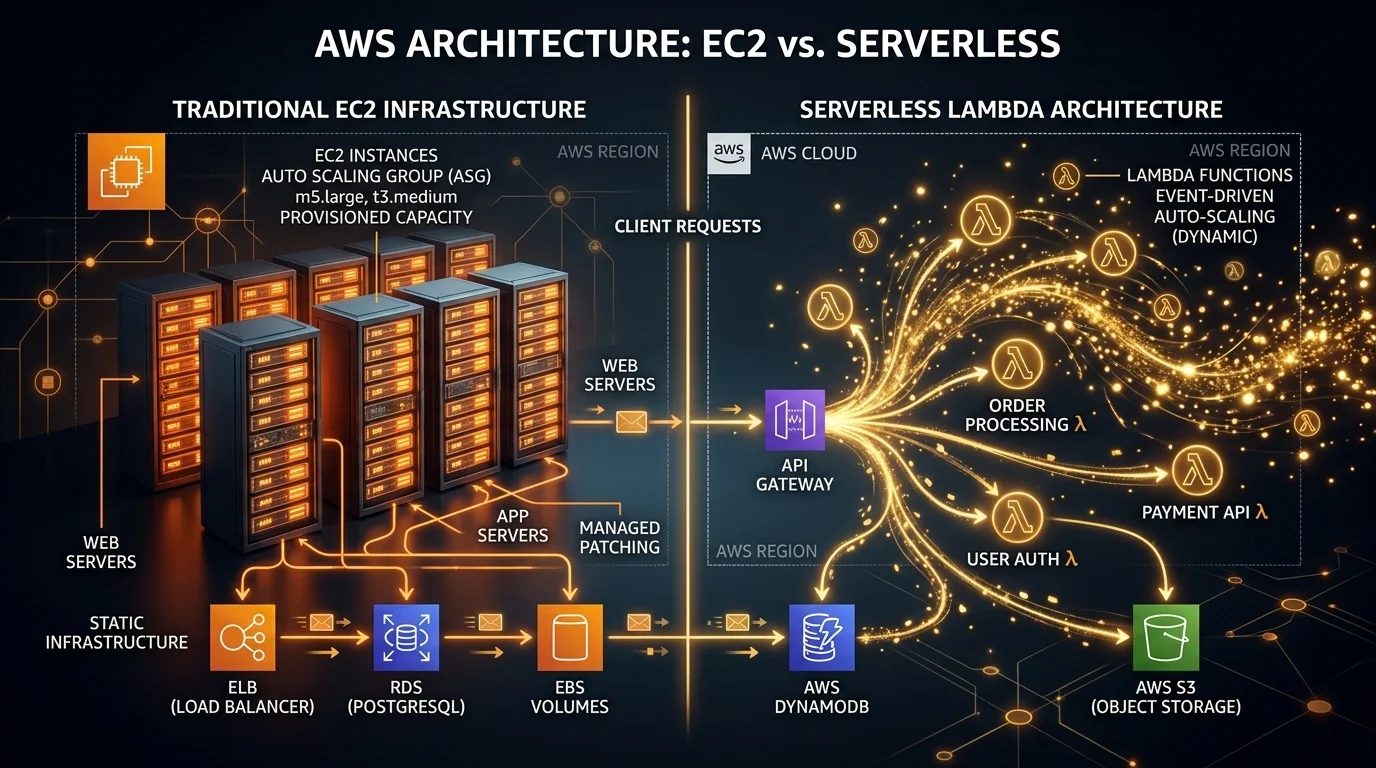
A technical guide to hybrid compute architectures that combine EC2, Lambda, Fargate, and Step Functions — with worked cost calculations, SQS buffering patterns, and decision frameworks based on invocation pattern rather than unit cost.

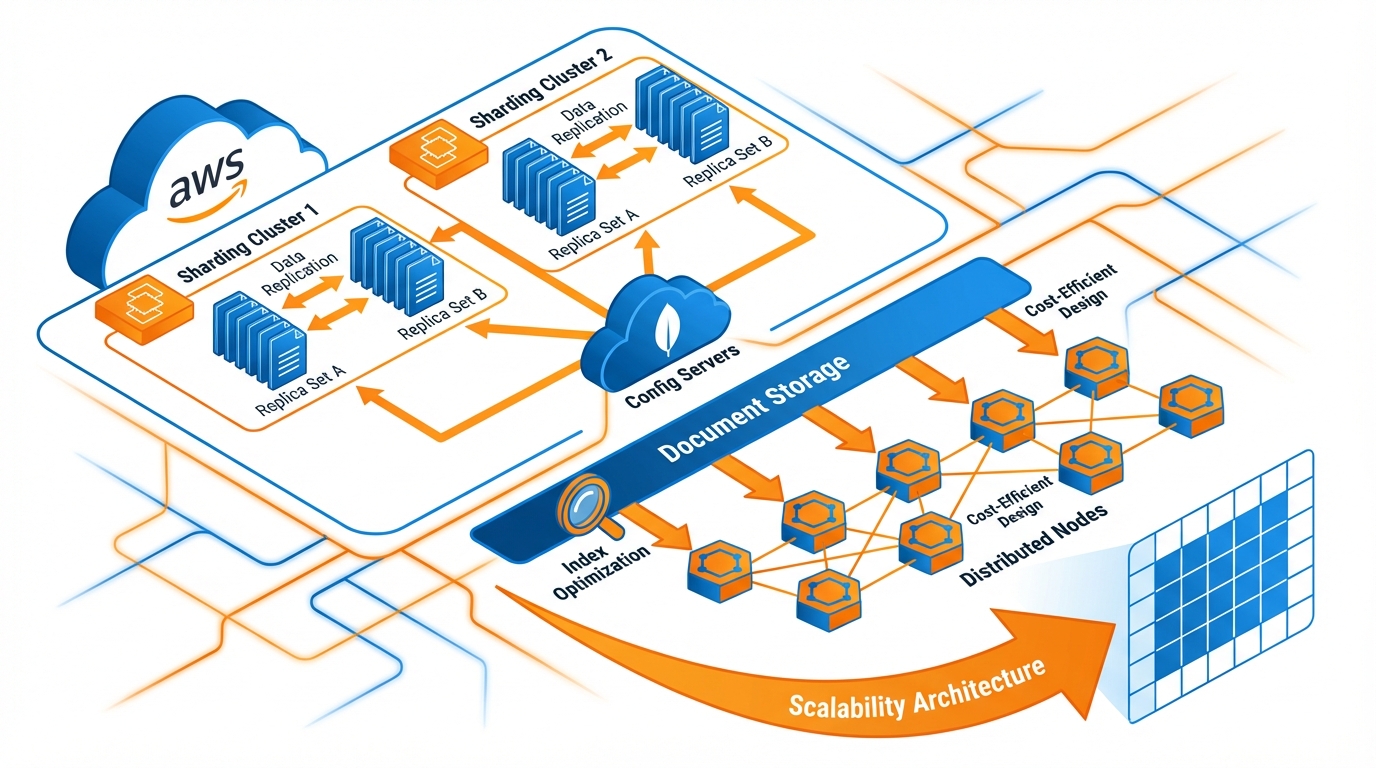
Atlas vs EC2 vs DocumentDB on AWS — TCO flips with DBA time, not $/vCPU. July 2026: index/cache pressure, hot shards, DocumentDB API-compat caveat.

Multi-region AWS architectures can easily cost 2–3× a single-region equivalent when data replication, cross-region transfer, and duplicated managed services are not accounted for. Here is how to architect for resilience without proportional cost growth.

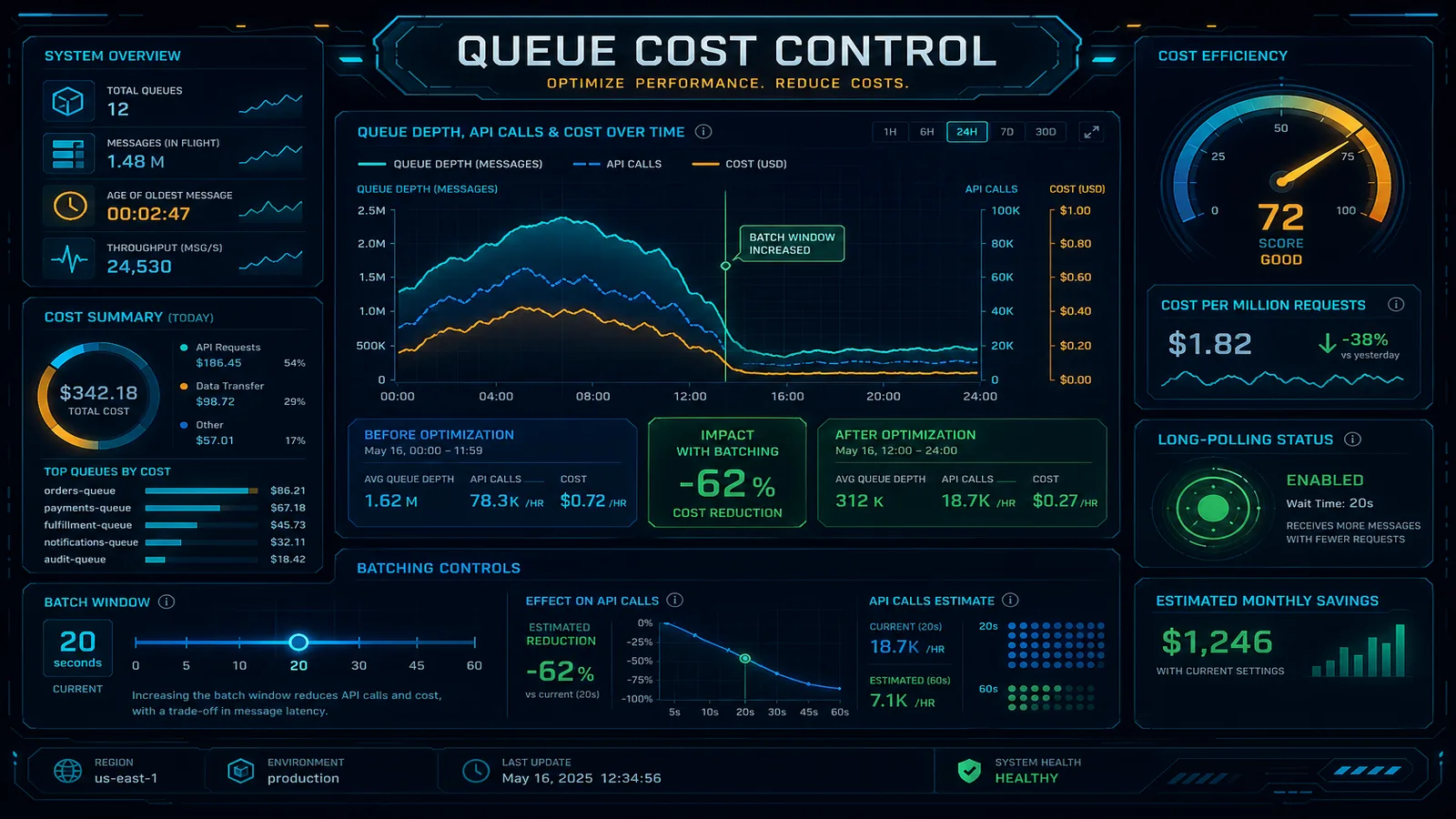
SQS is cheap until retry storms: short polling × uncapped workers. July 2026 — long poll 20s, visibility math, DLQ alarms, concurrency caps.

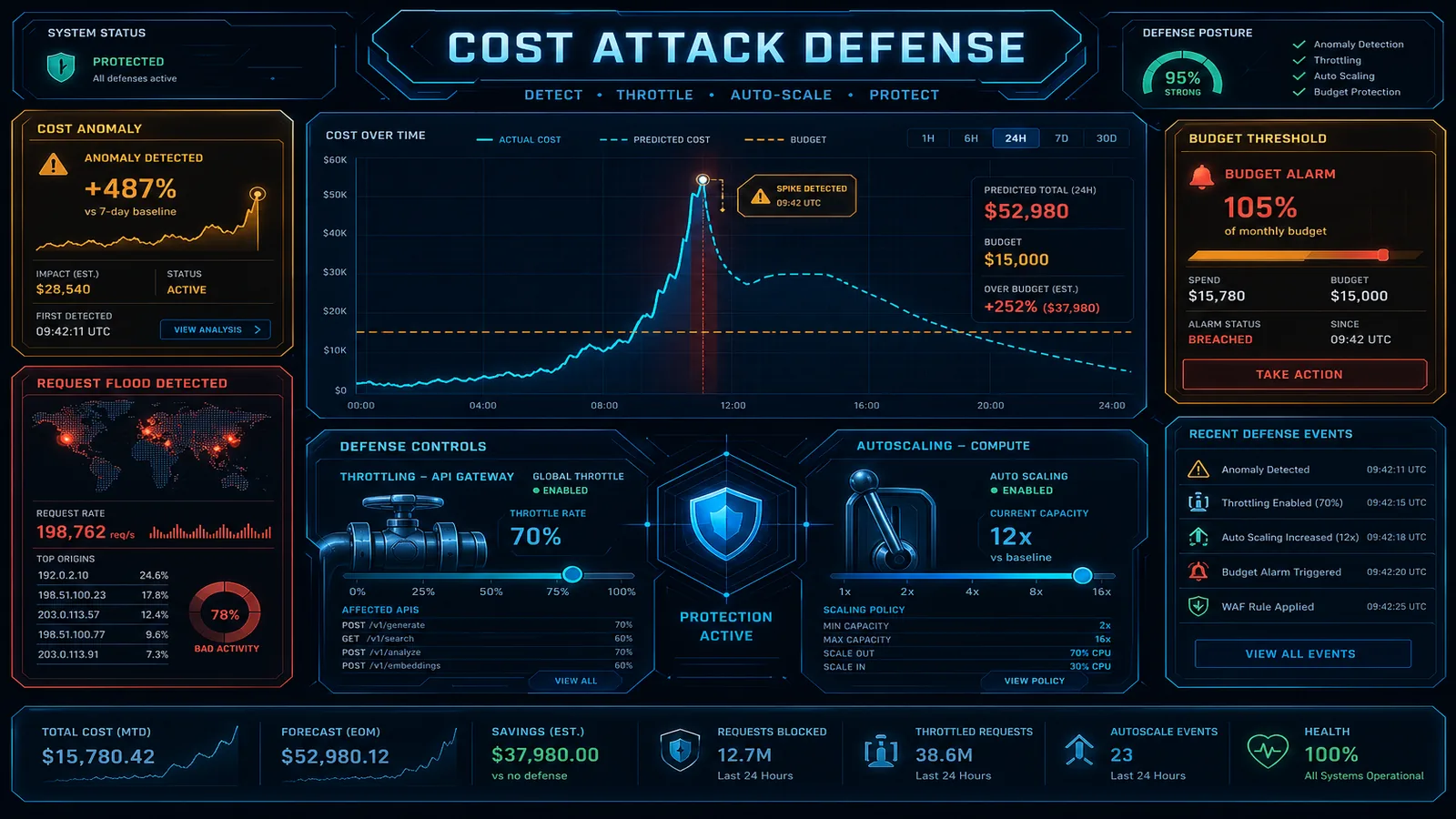
Billing attacks: CloudFront request floods, Lambda bombs, SQS/SNS OTP spam. July 2026 — WAF ceilings, reserved concurrency, Budgets Actions, FinOps backstops.

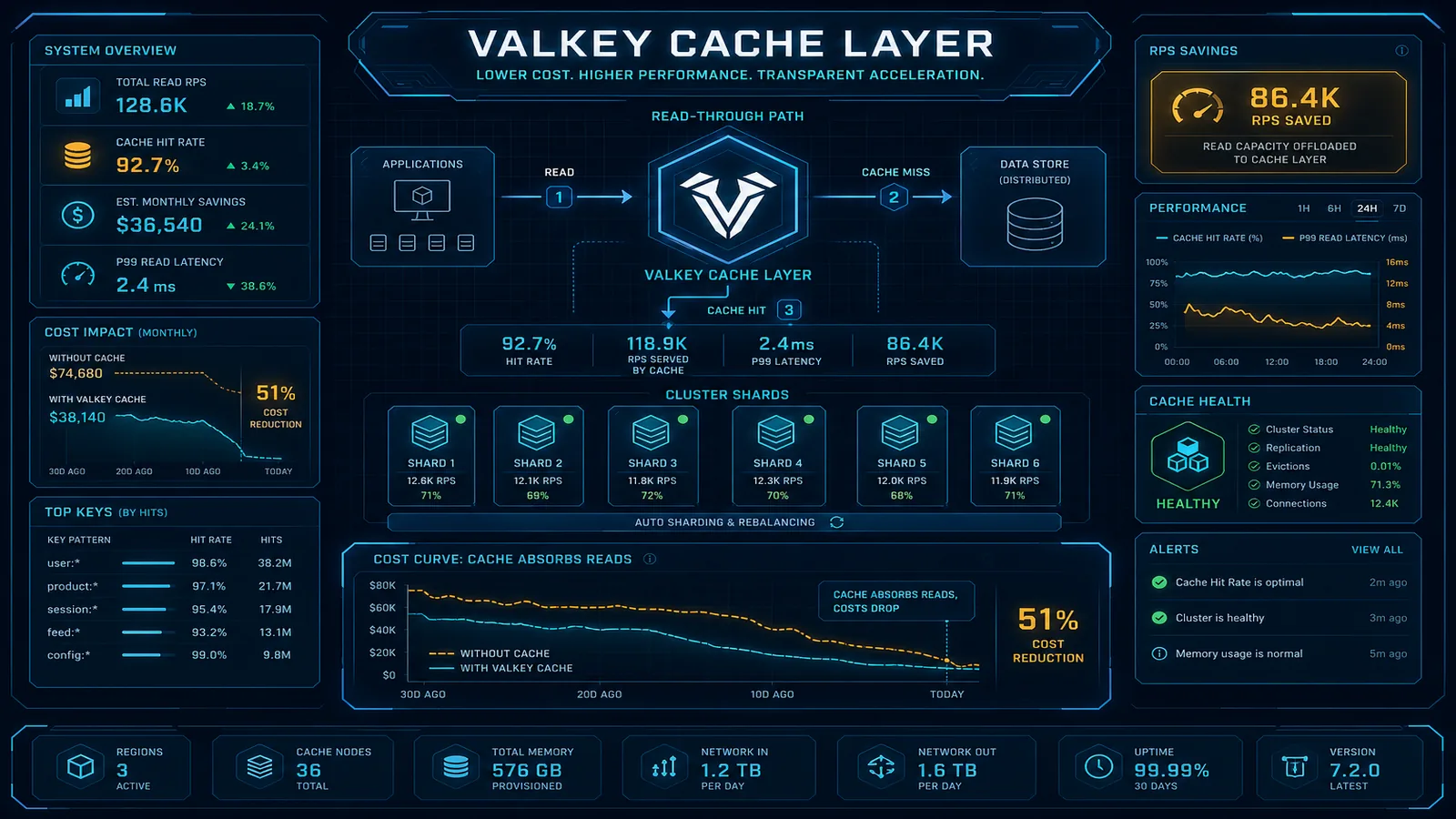
Valkey on ElastiCache: about 20% node / 33% serverless cheaper than Redis OSS engines. July 2026 — sessions, rate limits, locks, migration checklist.